
"coffee farmer earnings"
900 article(s) found
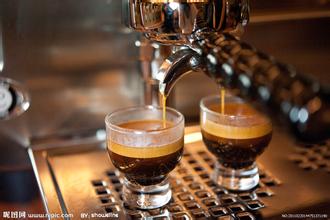
Cat dung coffee flavor bean grinder how to adjust the scale
Cat dung coffee costs about $7 in Mancua, almost twice as much as regular coffee. Cat dung coffee beans sold in a coffee shop in New York are priced at $748 per kilogram. For farmers like Montenegro who live in coffee plantations in the Philippines, civets change their lives. Montenegro said that every year during the coffee harvest season from March to May, he and his wife spent one day

A brief introduction to the characteristics of Starbucks Ethiopian Coffee Bean Story and Historical taboo patterns
A brief introduction to the characteristics of Starbucks Ethiopian Coffee Bean Story Historical taboo patterns Ethiopia produces a total of 200000 to 250000 tons of coffee a year. Today, Ethiopia has become one of the largest coffee producers in the world, ranking 14th in the world and fourth in Africa. Ethiopia has unique and different flavors for the whole world.

For Rwandan coffee beans, it is better to buy raw beans or roasted beans.
Rwandans have been growing coffee since colonial times, but until 1999, its products were still classified as below Class C and were not popular in the global market. The reason for the poor quality is that farmers do not have a fixed procedure for washing coffee beans and do not process coffee fruits according to specifications in time. Buyers buy coffee beans at $0.33 per kilogram, and farmers keep warm by the meagre profits earned at low prices.

Introduction of washed Rwanda coffee beans classification of fine coffee
Rwandans have been growing coffee since colonial times, but until 1999, its products were still classified as below Class C and were not popular in the global market. The reason for the poor quality is that farmers do not have a fixed procedure for washing coffee beans and do not process coffee fruits according to specifications in time. Buyers buy coffee beans at $0.33 per kilogram, and farmers keep warm by the meagre profits earned at low prices.

Description of story characteristics of Ethiopian coffee beans introduction of grinding degree in flavor and taste producing areas
Ethiopia finally woke up and decided to learn from the skills of western developed countries to master brands and create value for the benefit of hard-working farmers, so in March 2000, ○○ applied to the United States Patent and Trademark Administration for trademark rights of three famous places, namely, Sidamo, Yega Xuefei and Harald. Beauty in the future

Introduction to the Flavor description, Grinding scale and Variety treatment of Ethiopian Coffee
Coffee is Ethiopia's most important export cash crop and the main source of Ethiopia's foreign exchange earnings. Ethiopia's coffee exports account for about 3% of the world market, making it the eighth largest coffee exporter in the world. Coffee exports increased steadily from 58000 tons in 1990 to 110000 tons in 1995-1996 and remained at this level in the following years. 2001-2002

Introduction to Ethiopian Coffee from the producing area of Fine Coffee
Ethiopia is one of the major producers of Arabica coffee in Africa, producing the best Arabian coffee in the world. It is said that coffee was first discovered by shepherds in Essekafa, and the name of coffee evolved from Kafa, so Essex is still the hometown of coffee. The geographical environment of coffee production and processing is very suitable for coffee growth. Coffee is mainly cultivated.

China's coffee raw material exports hit a new high Yunnan coffee planting industry coffee export coffee culture
More and more farmers in Yunnan are turning to the coffee industry because the income of coffee is higher than other crops, the report said. In 2012, local farmers earned twice as much as tea to grow coffee on the same area of land, Desmet said. Nestl é has been operating in Yunnan since the late 1980s, providing training services to growers and buying coffee locally. From

Value addition of coffee by in vitro hot fermentation
Through in vitro thermal fermentation technology, the ITRI has successfully developed masked palm civet coffee with a unique taste in Taiwan, which has also created new industrial value for coffee farmers in Taitung. Five years ago, the farm of coffee farmers in Taitung, which was first assisted by the ITRI, has seen a turnaround in the tourist market. The number of tourists has increased as much as 10 times every month, and masked palm civet's coffee has earned more than 100,000 yuan. In vitro hot fermentation is not produced by South Branch of Industrial Research Institute.

Kenyan coffee history of Kenyan coffee cultivation characteristics of Kenyan coffee taste
Professional coffee knowledge exchange more information about coffee beans Please follow the coffee workshop (Wechat official account cafe_style) "Let farmers earn what they deserve" is the basic belief of the coffee boutique movement. Although Cup of Excellence is currently the most representative and transparent competition in the industry, many of the details are actually modelled on Kenya's famous since the 1930s.

The origin of coffee beans in Rwanda Coffee bean powder is too weak.
The Rwandans of origin have been growing coffee since colonial times, but until 1999, its products were still classified as below Class C and were not popular in the global market. The reason for the poor quality is that farmers do not have a fixed procedure for washing coffee beans and do not process coffee fruits according to specifications in time. Buyers buy coffee beans at $0.33 per kilogram, and farmers rely on the meagre profits earned at low prices.

Starbucks Uganda Coffee Bean Flavor Description Processing Variety Features Grind Region Introduction
Coffee was the first product to be labeled Fair Trade, and farmers who grow coffee have benefited from it. Chilean FLO compliant producers sold coffee beans last year for $1.26 a pound, compared with 47.35 cents a pound on the New York Futures Market. However, FLO does not directly contribute to product acquisitions
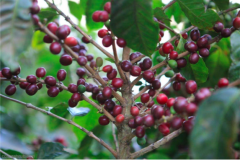
Coffee World Map-- Kenya Coffee famous Coffee auction and COE
The exchange of professional baristas please follow the coffee workshop (Wechat official account cafe_style), which is the basic belief of the coffee boutique movement that allows farmers to earn what they deserve. Although Cup of Excellence is currently the most representative and transparent competition in the industry, many of the details are actually modelled on Kenya's world-famous coffee auction (Kenya Coffee) since the 1930s.

Introduction of coffee beans at Gaterama Gatruma Manor in Burundi. How can Burundian coffee be made good?
Professional coffee knowledge exchange more coffee bean information please follow the coffee workshop (Wechat official account cafe_style) CREMA TREKKERS: explore MUYANGE Burundian NKONGWE HILL Nkongwe Hill,Muytange Burundian single origin Burundian coffee bean varieties introduction Burundian single-source coffee beans are natural bourbon species, grown in Gaterama processing plant

The Story of Ethiopian Coffee introduction to the Variety treatment method in the producing area of the Manor
The Story of Coffee in Ethiopia Ethiopia is the earliest country in the world to grow coffee and maintain the oldest coffee culture. It can be said to be the origin of origins, the place of origin of coffee. According to statistics, the country produces about 396000 tons of coffee every year. It can be said that the coffee varieties in other coffee producing areas are all from Ethiopia.
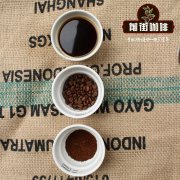
Introduction of Ugandan coffee flavor Uganda coffee beans
Professional Coffee knowledge Exchange more information on coffee beans Please pay attention to the coffee workshop (Wechat official account cafe_style) Coffee plays a leading role in the lives of Ugandan people and has made a significant contribution to the country's economy. Nearly 42 per cent of farmers (1.7 million households, or 21 per cent of the population) grow coffee, which has contributed an average of 30 per cent of the country's foreign exchange earnings over the past 20 years. Uganda

The advantage of developing coffee industry in Yunnan has obviously become the largest coffee trading service platform in China.
Yunnan has obvious advantages in developing coffee industry, with a history of more than a hundred years and a natural superior ecological environment, so it is one of the best coffee growing areas in the world. In 2015, the planting area of coffee in the province reached 1.77 million mu, with an output of 130000 tons, ranking first in the country. In 2015, Yunnan exported 43000 tons of coffee, earning 150 million US dollars in foreign exchange, ranking among Yunnan's agricultural products.

An introduction to the characteristics of the manor producing area with a rich taste of Rwanda boutique coffee
Rwandans have been growing coffee since colonial times, but until 1999, its products were still classified as below Class C and were not popular in the global market. The reason for the poor quality is that farmers do not have a fixed procedure for washing coffee beans and do not process coffee fruits according to specifications in time. Buyers buy coffee beans at $0.33 per kilogram, and farmers keep warm by the meagre profits earned at low prices.

Ethiopian coffee introduces the best Arabica coffee in the world.
Ethiopia is one of the major producers of Arabica coffee in Africa, producing the best Arabian coffee in the world. It is said that coffee was first discovered by shepherds in Essekafa, and the name of coffee evolved from Kafa, so Essex is still the hometown of coffee. The geographical environment of coffee production and processing is very suitable for coffee growth. Coffee is mainly cultivated.

Flavor description of Ethiopian Sidamo Lion King Coffee beans introduction to the taste of grinding scale varieties
Flavor description of Ethiopian Sidamo Lion King Coffee is Ethiopia's most important export cash crop and a major source of foreign exchange earnings. Ethiopia's coffee exports account for about 3% of the world market, making it the eighth largest coffee exporter in the world. Coffee exports increased steadily from 58000 tons in 1990 to 1995-1996.